Saturday, June 18, 2011

Ford Fiesta St

The Fiesta ST/XR4 was the performance model of this Fiesta. It includes a 2.0 L Duratec petrol engine rated at 150 PS (110 kW; 150 hp) in standard form, with a top speed of 129 mph (208 km/h).[16] The Fiesta ST also features 17 in (43 cm) alloy wheels, different front and rear bumpers, side skirts, body colour handles and bump strips, partial leather seats and a ST logo on the steering wheel. In Australia, the Fiesta ST was sold as the Fiesta XR4. To stay in line with all sports model Fords sold in Australia it received the 'XR' badging, instead of the 'ST' badging used in Europe. The vehicle was unveiled at the 2004 Geneva Motor Show.

Active Ford Fiesta St n Red Color

Luxury Ford Fiesta St On The Road

Sporty Ford Fiesta St

Ford Fiesta St In Two Model

Ford Fiesta St Seats View

Ford Fiesta St Show Up

Ford Fiesta St Side View

In 2008, Ford offered Mountune Performance options for Fiesta ST vehicles, available at specialist British Ford dealers beginning in March 2008. These were developed by Roush Technologies Ltd, which owns the Mountune Racing motorsport brand. The Mountune Performance Stage 1 (£1,435) includes a high flow catalyst and tubular manifold, and re-calibration of the engine to produce 165 PS (121 kW; 163 hp). The Mountune Performance Stage 2 package (£1,838) adds new camshafts and valve springs to the basic package to deliver 185 PS (136 kW; 182 hp). The ST 500 was a limited production (500 vehicles) model of the Fiesta ST. It includes 17 in (43 cm) 11-spoke black alloy wheels, red brake callipers and carbon fibre pattern interior trim. The interior also features a Sony audio system and ebony leather heated seats. The vehicle cost £15,000.

Monday, June 13, 2011

Suzuki Xl7

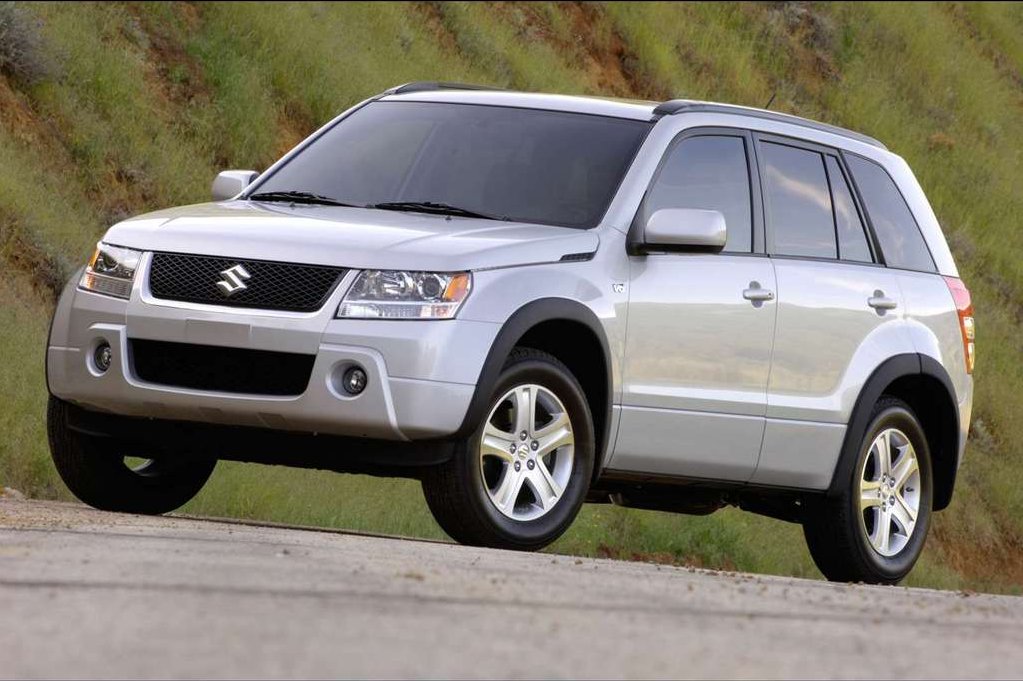
The Suzuki XL-7 is Suzuki's mid-sized SUV, launched in 1998.The first-generation XL-7 was a Suzuki design and was essentially a stretched Grand Vitara. It had a Suzuki-designed 2.7 liter V6 on a rear wheel drive-based platform with optional four wheel drive. When introduced, the XL-7 was the least expensive SUV available with 3-row seating in North America. The Suzuki XL-7 sold over 20,000 a year, and was awarded the Consumer's Digest Best Buy award. However, sales slowed as competitors came out with SUVs with more features, lower prices, better fuel efficiency and more powerful engines, such as the Toyota Highlander, the Honda Pilot, and the Honda CR-V.Introduced in the fourth quarter of 2006, Suzuki partnered with General Motors to build the 2007 model, now called XL7 (without the hyphen). It uses the same unibody platform and many of the same components as the Chevy Equinox, Pontiac Torrent and Saturn Vue, but incorporates third row seating exclusive to the Suzuki. The second generation model uses a version of the GM High Feature engine, built in Japan and shipped to CAMI Automotive in Ingersoll, Ontario, Canada, where the XL7 is assembled with the Equinox and Torrent, and also the second-generation Suzuki XL7 is Suzuki's first entry in the crossover SUV segment. Styling cues on the 2007 include a chrome slotted grille and trapezoidal headlights.


Suzuki XL7 Review - Kelley Blue Book

Active Suzuki Xl7

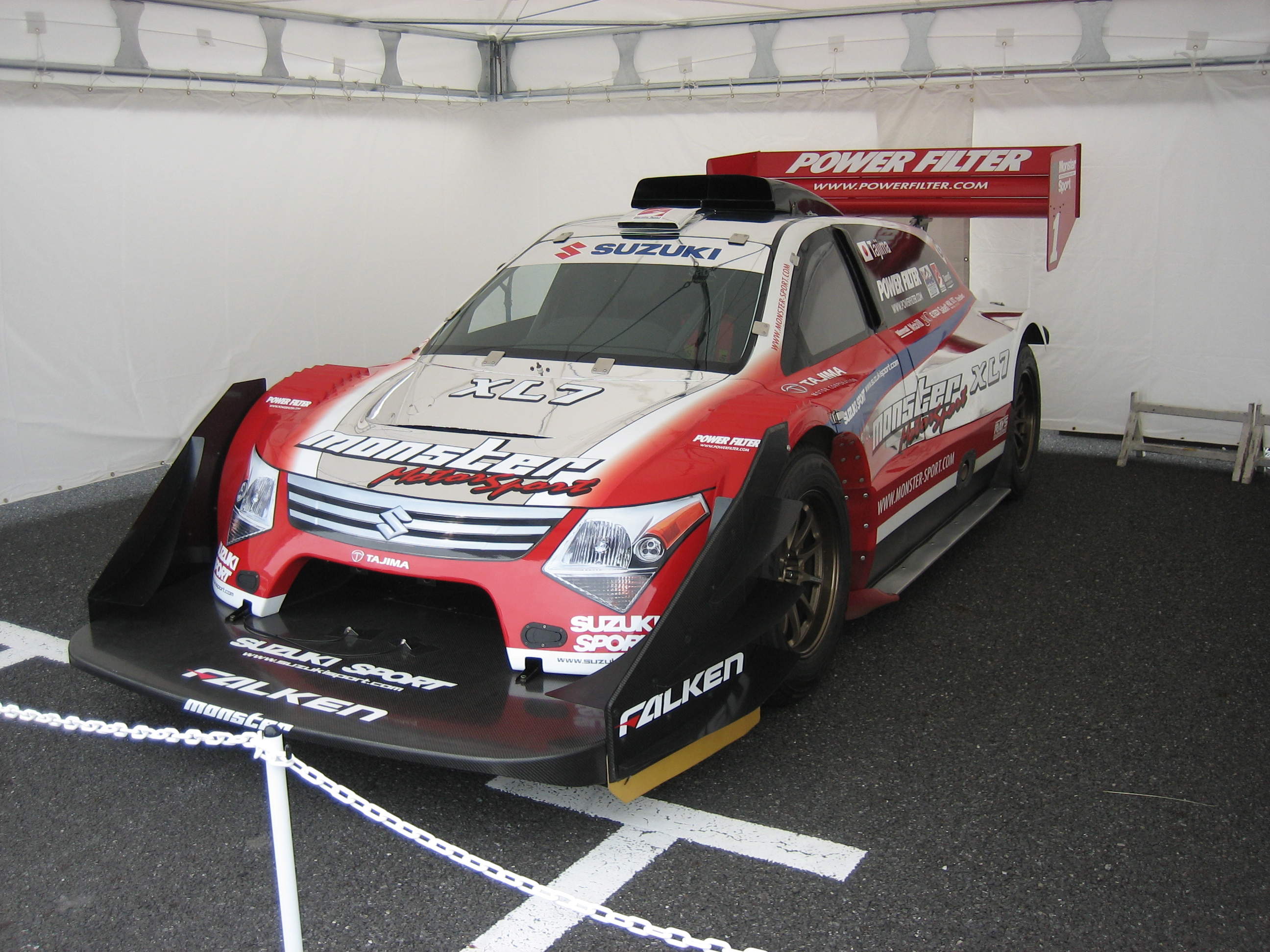
Sporty Suzuki Xl7 For Racing

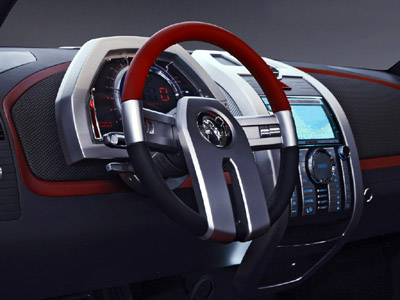
Suzuki Xl7 Dashboard

Suzuki Xl7 Rare Seats View

Suzuki Xl7 Interior Concept

Suzuki Xl7 Hatchback

2011 Brabus E V12

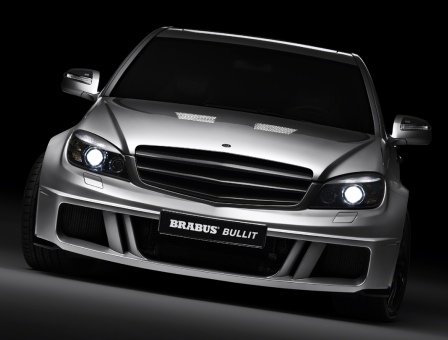
Elegant 2011 Brabus E V12 In Dark

Exotic 2011 Brabus E V12 With Beautiful Lighting

2011 Brabus E V12 Steering Wheels

2011 Brabus E V12 Engine Detail

2011 Brabus E V12 Seats View

2011 Brabus E V12 Hatchback

2011 Brabus E V12 Wheels

Dodge Rampage

The Dodge Rampage was a subcompact, unibody[1] coupe utility based on Chrysler's L platform and manufactured from 1982-1984. First released as a 1982 model, the Rampage was later joined by its rebadged variant, the Plymouth Scamp. The Rampage borrows the car's unibody construction and the front fascia from the sporty 024/Charger variant. It was available with a Chrysler built and designed 2.2 L carbureted straight-4 engine with 96 hp (72 kW) and a curb weight of around 2,400 lb (1,100 kg). In the first year, it had leisurely performance due to the 4-speed manual transmission along with a 3-speed automatic transmission. Performance was improved with the introduction of a 5-speed manual transmission in 1983. The truck had a load capacity of 1,145 lb (519 kg), for a true "half ton" rating. This compared favorably to General Motors' Chevrolet El Camino. The Volkswagen Rabbit Sportruck and Subaru Brat were the Rampage's only real competition. The Dodge Rampage was based on the popular Dodge Omni and Plymouth Horizon. Their high gasoline mileage and modest price were good for the time, but the engine was a cause of the vehicle's failure — it could not deliver the performance of the El Camino, but when one compared it to the Volkswagen Rabbit Sportruck, the Rampage seemed to have the upper hand. The Rampage's front-wheel drive configuration also added to its deficiencies, as a front-wheel drive layout is not usually used for trucks. The quality, fit and finish, and overall feel of the truck were also well below the Japanese offerings of the day, contributing to its short life-span. The Plymouth Scamp was only sold in 1983. The Rampage lasted three years, though, and was removed from production after the 1984 model year.

In 1983, a select number of Dodge dealerships in Canada offered a special edition Rampage, which was only available for one year. The trucks were part of a short run at the Windsor Assembly Plant in Ontario and were fitted with numerous appearance upgrades from Chrysler's Direct Connection parts catalog. A special plate was mounted next to the standard build plate of each truck that read "Special Order - Direct Connection". Available in only three colors ("Graphic Red", "Snow White" and black), the Canadian DC Rampages were loaded with Direct Connection goodies, which included a front spoiler (Shelby-style), special extended-length side sirts, fiberglass tonneau cover (with integrated spoiler), orange and red stripe package with DC logos, roof wing, cast aluminum valve cover and a chrome air cleaner box. Some of the Canadian DC Rampages made their way to the U.S. where they were used for publicity purposes. A "Graphic Red" example was given away in a national contest while a "Snow White" version was photographed for the 1984 Direct Connection catalog alongside Carroll Shelby.In 1984, the Rampage's final production year, another special edition was created by Chrysler and sold through a select number of California Dodge dealerships. According to an article that appeared in a 1984 issue of Shelby Times magazine, the "last couple of hundred" ZH28 model Rampages off the Santa Fe Springs production line were finished in three of the four colors offered on the Shelby Charger. These colors were "Santa Fe Blue Metallic", "Garnet Red Metallic" and black.Despite evidence that some Southern California Dodge dealerships marketed the truck as a "California Shelby Rampage", Arnold suggested they be identified with the moniker "California Direct Connection Edition" or "California DC Rampage". This title makes sense as the trucks were never given any Shelby "call-outs" by the factory or recognized by Shelby American, Inc. The trucks were briefly identified by enthusiasts as the "Direct Connection Rampage" or "DC Rampage" until the earlier Canadian DC version was discovered.Dodge resurrected the Rampage name at the 2006 Chicago Auto Show. This new concept car is again a front wheel drive pickup, but is as large as the full-size Dodge Ram. It is powered by the 5.7 L Hemi V8.

Dodge Rampage Steering Wheels View

Attractive Dodge Rampage

Dodge Rampage Sliding Doors Concept

Dodge Rampage Concept

Dodge Rampage Interior View Detail

Chevrolet Cobalt

The Chevrolet Cobalt is a compact car introduced by Chevrolet in 2004 for the 2005 model year. The Cobalt replaced both the Cavalier and the Prizm as Chevrolet's compact car.

The Cobalt was available as both a coupe and sedan, and is based upon the GM Delta platform also shared with the Chevrolet HHR, Pontiac G5, Astra (Opel, Vauxhall, Holden, and Saturn marques), and the Opel Zafira (a seven seat MPV). Also available was a high performance, Super Sport variant. All Cobalts were manufactured at GM's Lordstown Assembly plant in Lordstown, Ohio. The United States Environmental Protection Agency classifies the Cobalt as a subcompact car. Since its introduction in 2004, GM has sold 1,019,842 Cobalts through the 2010 model year.

Chevrolet Cobalt For Racing

Chevrolet Cobalt Interior View

Chevrolet Cobalt Hatchback

The front suspension is independent with MacPherson struts, while a semi-independent torsion bar is used in the rear. The wheelbase is 103.3 in (2,624 mm), longer than its competitors, and the width is 68.4 in (1,737 mm). Weight is average in-class, at 2,681 lb (1,216 kg) for the coupe and 2,747 lb (1,246 kg) for the sedan. For 2009, the United States Environmental Protection Agency fuel economy has increased to 24 mpg-US (9.8 L/100 km; 29 mpg-imp) city/34 mpg-US (6.9 L/100 km; 41 mpg-imp) highway with automatic transmission, and 26 mpg-US (9.0 L/100 km; 31 mpg-imp) city/37 mpg-US (6.4 L/100 km; 44 mpg-imp) highway with manual transmission. The engine output has increased to 155 hp (116 kW).

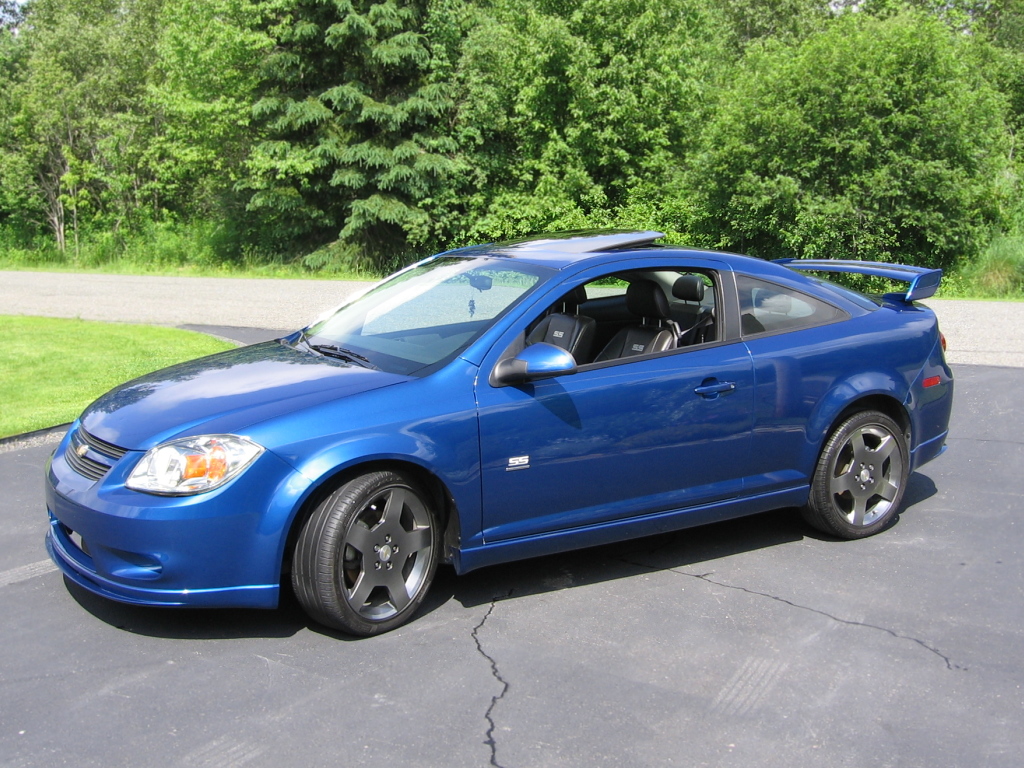
Sporty Blue Chevrolet Cobalt

According to the Insurance Institute for Highway Safety (IIHS) the Cobalt receives an overall top score of "Good" for front collisions. However, it receives a "Poor" overall score for side impacts without side curtain airbags, and an "Acceptable" overall score with side curtain airbags. In 2008 side curtain airbags became standard but the Cobalt's structure remains the same and consequently in structure/safety category of the IIHS's side impact test the Cobalt receives a "Marginal" score. Side airbags are limited to the curtain type, torso type side airbags are unavailable. According to the IIHS's injury measurements taken from the side impact test the driver's torso is given a "Marginal" score.

Vauxhall Astra

Astra is a model name which has been used by Vauxhall, the British subsidiary of General Motors (GM), on their small family car ranges since 1979. Astras are technically essentially identical with similar vehicles offered by GM's German subsidiary Opel in most other European countries. For the first two generations, the nameplate was applied to UK-spec right-hand drive versions of the Opel Kadett, and since 1991, Opel also uses the Astra nameplate on its B/C-platform, so Vauxhall and Opel Astras are essentially identical vehicles. General Motors' Saturn division in America also offered the Astra as a captive import since late 2007 through until that marque's dissolution in 2010 following the GM bankruptcy.The Astra name originated with Vauxhall's 1980 model, though the car was launched almost a year earlier as the Opel Kadett D. This model replaced the Vauxhall Viva in the UK, along with some versions of the Vauxhall Chevette. However, the Chevette (itself based on the previous generation Kadett C) remained available for several years afterwards until the Vauxhall Nova was launched. The Astra was Vauxhall's first model to have front wheel drive. Not all trim levels were available with all body styles. Confusingly in the British market, both the Kadett D and the Astra were sold alongside each other until the consolidation of Opel and Vauxhall dealerships in the early 1980s, when the Opel badged versions were dropped. The Mark 2 Astra first appeared in the autumn of 1984. It used the same range of engines and running gear as the Mark 1, but with a completely restyled body with better aerodynamics. It was voted 1985 European Car of the Year. Long-lived, the Mark 2 was available in estate, hatchback, saloon and cabriolet versions. The saloon was launched in January 1986 and sold as the Vauxhall Belmont; this trend to brand saloon models independently of hatchbacks was also used by other manufacturers of the period, with examples including the Ford Orion and the Volkswagen Jetta. However, this strategy was mostly unsuccessful, as this was Vauxhall's only attempt at badging its hatchback-based saloon as a separate model, and Ford rebadged its Orion range as Escorts in September 1993.


Vauxhall Astra review - CarBuyer

Released in 1991, the Mark 3 model was essentially an evolution of the Mark 2, rather than a redesign. This generation was the first to be called Astra by Opel as well as Vauxhall (in Opel's case succeeding the Kadett E), and the first to also be sold by Holden. It was offered as a three or five-door hatchback, a saloon, and an estate, known as the Caravan. A cabriolet was also offered, designed and built by Bertone. The model was launched in South Africa in 1992, where it was produced under licence by Delta Motor Corporation. However, the Kadett name was retained for the Astra hatchback until 1999, which included a variant with a 2.0 L turbocharged engine called the 200TS, unique to that market. Saloon and estate models were offered under the Astra name. Controversially, the Kadett and Astra in South Africa won the title of 'Car of the Year' in two consecutive years (1992 and 1993) even though they were versions of the same car. South African nomenclature was denoted in centilitres, so the Astra and Kadett ranges featured 140, 160i, 180i and 200i models.Released in 1998, the MK4 addressed many of the criticisms of the MK3 in the UK with greatly improved ride and handling. The growing emphasis on safety was also reflected in greater body rigidity, resulting in a Euro NCAP 4 star crash test rating, considered excellent for its time. In the UK the MK4 Astra was available with a range of 16v Ecotec engines as well some 8v units. The 8v unit was refined during the model's life however, with the Z16SE offering good all round performance compared with its higher insurance 16v equivalent. In addition to the standard hatchback, the MK4 also had a popular choice of the coupe. This was available in 4 engine types. The 1.6 Produced 101 bhp (75 kW; 102 PS). The 1.8 produced 125 bhp (93 kW; 127 PS). The 2.2 produced 147 bhp (110 kW; 149 PS). The 2.0 Turbocharged produced 189 bhp (141 kW; 192 PS) SRI Turbo and 197 bhp (147 kW; 200 PS) GSI Turbo Variant.The Astra Mark 5 was first launched as a five-door hatchback, which by the end of 2004 was joined by a five-door estate and a sporty three-door hatchback called the Sport Hatch in the UK. The Sport Hatch has the option of a windscreen called "panoramic windscreen" (unique for a production car at the time of its launch) which extends into the windscreen into the roof area.

The Vauxhall Astra J/D was officially unveiled at the 2009 Frankfurt Motor Show. The car has been available to purchase since Friday December 11, 2009. The principal manufacturing plant for the latest Astra (though not for its Zafira sibling) is at Ellesmere Port enabling the manufacturer to benefit from sterling depreciation with this model. Design has been a major consideration in the development of new Vauxhall Astra and the car is heavily influenced by the Vauxhall Insignia. The new Vauxhall Astra has all the design features of a saloon car but in a much more compact model. As well as incorporating a more luxurious design, the 6th generation Astra includes a variety of innovative storage solutions. Vauxhall designers identified the 20 most commonly carried items in a car and developed storage solutions for each one. They have developed a patented the 'Flexfloor' adjustable boot space system as well as a 'Flexfix' bike carrier. Despite being more expensive than the old Astra, the new Astra has been a strong sales success in the UK, where it was the best selling car in June 2010 with well over 10,000 sales - outselling its crucial rival the Ford Focus by nearly 50%. This however is mainly because production of the current Focus is being scaled back prior to the launch of a new MK3 model in early 2011. The Estate version of the Astra - dubbed the 'Sports Tourer' by Opel/Vauxhall, debuted at the 2010 Paris Motor Show, and went on sale shortly afterwards, with a starting price of £16,575 for the ES version, then Exclusiv, SRI and SE versions, with the SE costing from £20,345. This is cheaper than the previous estate, but has more kit. The vehicle has a top speed of 70 miles per hour (110 km/h) and a 100 miles (160 km) range between charging.

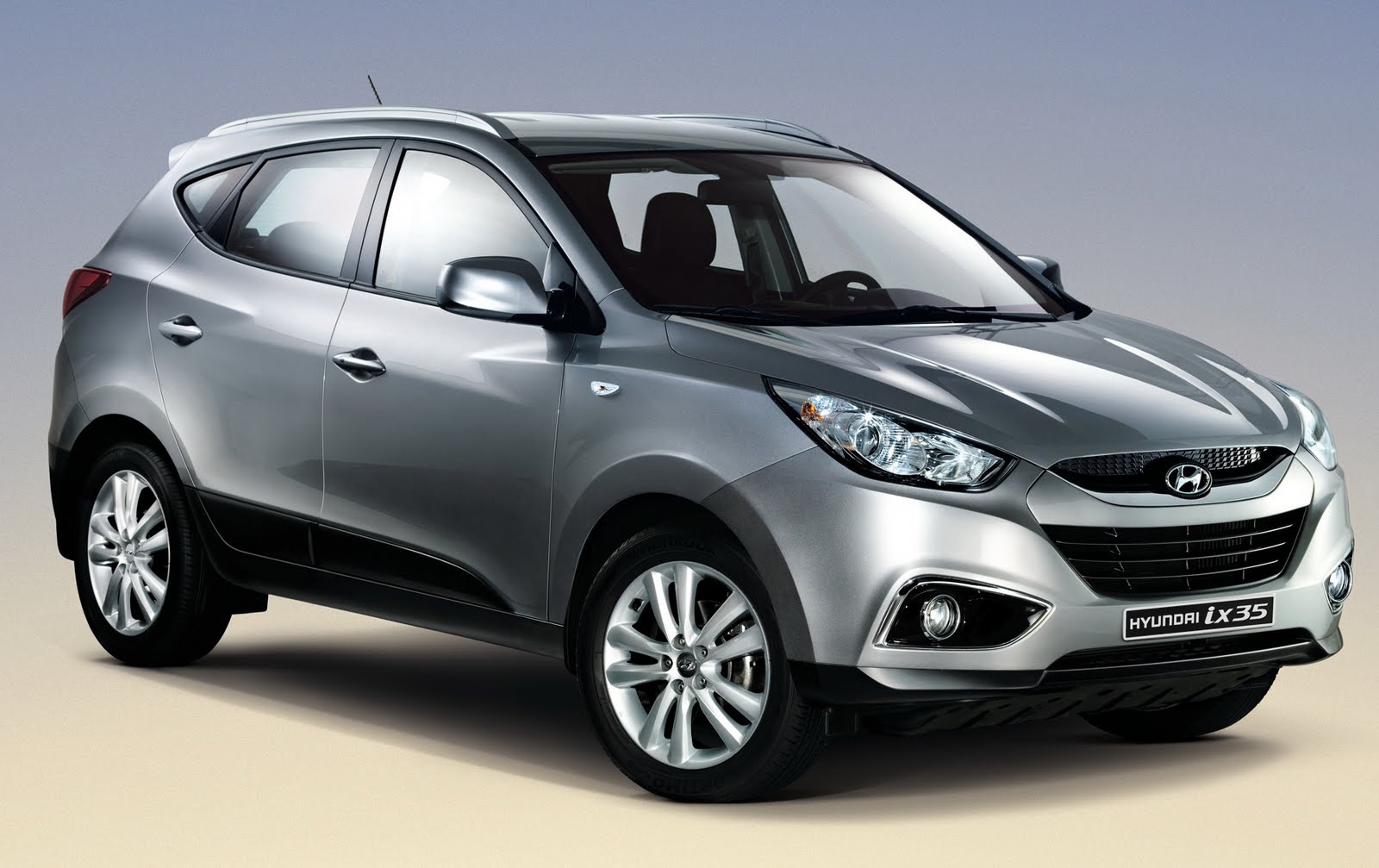
Hyundai Ix35

Various Colors of Hyundai Ix35

Elegant Hyundai Ix35

Sporty Hyundai Ix35

Exotic Red Hyundai Ix35

Hyundai Ix35 Interior View

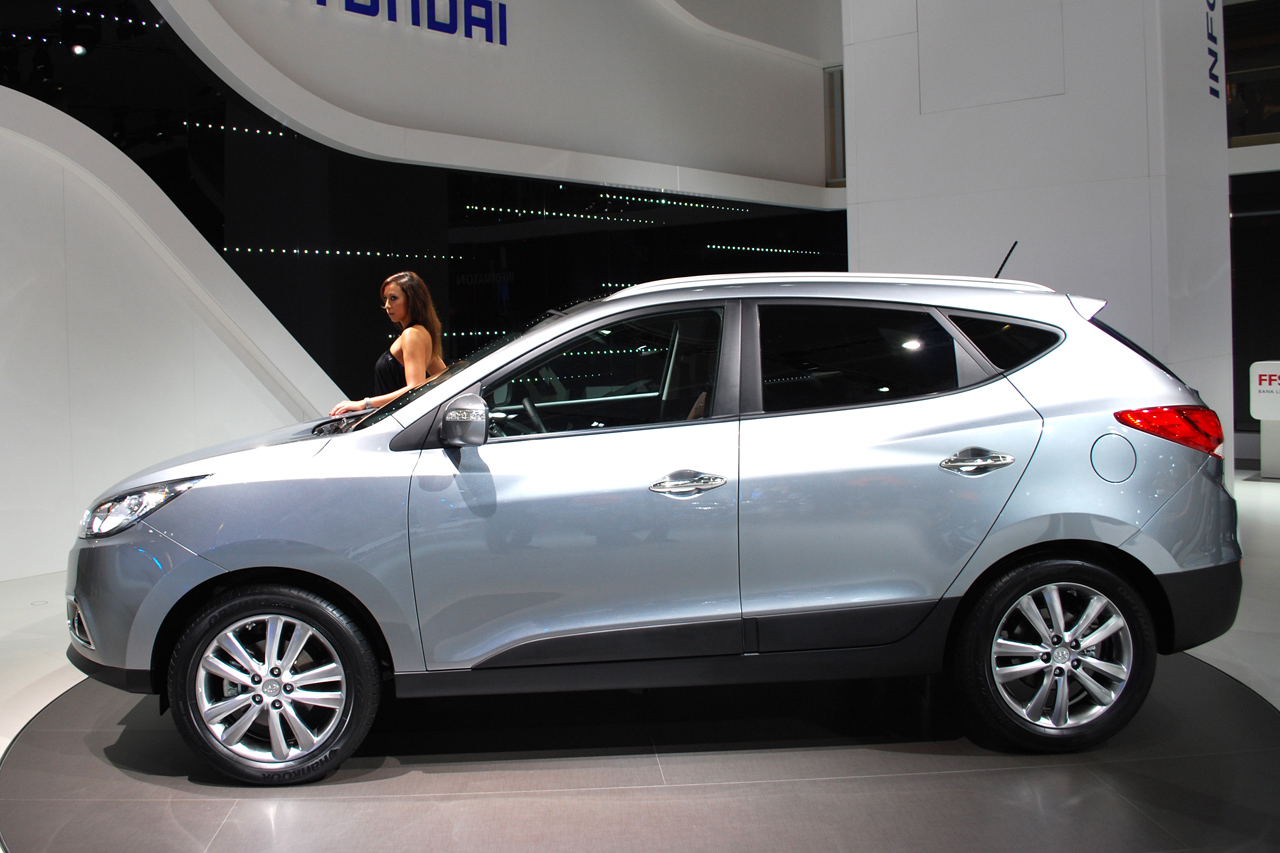
Hyundai Ix35 Side View

Hyundai Ix35 Hatchback
Related Posts Plugin for WordPress, Blogger...